Category Archives: G & F

Poll: Democrats are getting worried about climate change. Republicans? Not so much.

Climate change is scoring some major points with Democrats — polling points, that is. That’s according to a recent survey from the Pew Research Center that found the growing, year-round effects of our warming planet have not gone unnoticed by the members of at least one of the two major U.S. political parties compared to even six years ago.

Since 2013, the portion of Democrats who consider climate change a “major threat” has risen by 26 percentage points — a whopping 84 percent of Democrats surveyed this year are worried about it. That increase was even bigger among people who identify as liberal Democrats — 94 percent consider rising temperatures a major threat to the nation now, up 30 points from 2013.

Meanwhile, across the aisle, Republican opinions on the matter remain relatively unchanged. A little more than a quarter of GOPers consider climate change a major threat. Between 2013 and 2019, the share of conservative Republicans who consider climate change a major threat has risen only a few percentage points, an uptick Pew called “not statistically significant.”

There is one spot of good news: a different survey conducted by Amsterdam-based polling group Glocalities shows concern about the effect of human behavior on the environment is rising among young Republicans. Sixty-seven percent of Republican voters aged 18 to 34 are worried about the damage humans cause the planet, up 18 percent since 2014.*

But despite some movement among young Republicans on this issue, the Pew poll shows that climate change remains incredibly divisive. The concern gap between the two parties on climate is wide even when compared to other politically charged issues. Democrats and Republicans have more common ground when discussing the threat posed by Russia’s power and influence — one of the most divisive issues of the 2016 presidential election.

That may be because GOP leaders have remained impressively steadfast in their opposition to virtually any kind of climate action since the early ‘90s. The party that produced much of America’s environmental conservation policy throughout the 20th century has since stood by President Trump as he has worked to dismantle the building blocks of that legacy. It’s no wonder a measly 27 percent of Republicans are worried about climate change — unless you happen to live in Florida, there is little daylight between party leadership and base on this issue.

Conversely, as rank-and-file Democrats grow increasingly preoccupied with rising temperatures, their party leaders are still clapping on the one and the three. The Democratic establishment is only now fumbling to set up some kind of comprehensive response to the crisis, thanks in no small part to pointed encouragement from a certain freshman representative from New York. But despite Alexandria Ocasio-Cortez et al.’s efforts, the Democratic National Committee just voted not to hold a climate-themed debate. It’s not the first time the party has ignored the outspoken opinions of much of its progressive base: Last year, the same committee decided to reject donations from fossil fuel companies, only to reverse its decision a couple months later.

As usual, the GOP has succeeded in keeping its base in line. If Democratic leaders are out of step with their army, maybe it’s time they adjusted their messaging to match the scale of the crisis.

*This post has been updated to include the survey from Glocalities, published Thursday.

Original post: 

Poll: Democrats are getting worried about climate change. Republicans? Not so much.

Posted in Accent, alo, Casio, FF, G & F, GE, LAI, LG, ONA, Prepara, Uncategorized | Tagged , , , , , , , | Comments Off on Poll: Democrats are getting worried about climate change. Republicans? Not so much.

‘Another hurricane?’ How climate disasters can give us compassion fatigue

Hurricane season is just getting started, and some U.S. politicians (cough cough TRUMP cough cough) already seem to be suffering from climate-related compassion fatigue.

In response to the news that then-Tropical Storm Dorian (now a Category 1 hurricane) was on its way toward Puerto Rico, President Trump seemed to blame the U.S. territory — or at least the weather gods — for the island’s repeated weather-related woes.

“Wow! Yet another big storm heading to Puerto Rico. Will it ever end?” Trump tweeted on Monday. He went on to lament a falsely inflated federal price tag associated with recovery from Hurricane Maria, which hit the island as a Category 4 storm in 2017. “Congress approved 92 Billion Dollars for Puerto Rico last year, an all-time record of its kind for ‘anywhere.’” (Just to set the record straight, Congress has allocated only about $42 billion to Maria recovery — and only about $14 billion of the money has reached the island so far.)

Hurricane Dorian, which is expected to hit the island on Wednesday, is also giving Puerto Ricans a sense déjà vu. But in contrast to the mainland’s mild attitude of annoyance at the repeat event, the idea of another storm hitting the island is ramping up local concerns. Puerto Rico’s newly minted governor Wanda Vazquez declared a state of emergency as the island is still recovering from the devastation of Hurricane Maria. “Puerto Ricans on the island have a serious case of PTSD,” Timmy Boyle, the spokesman for environmental justice group ACASE, told Grist. “Right now, there are long lines in gas stations and empty shelves at supermarkets, especially with water.”

Hurricane Maria was the deadliest natural disaster in U.S. history, that killed almost 3,000 people. Some residents are still living under blue tarps from the Federal Emergency Management Agency. Meanwhile, the Trump administration is pulling a whopping $271 million in funding from FEMA disaster relief to pay for immigration detention space and temporary hearing locations for asylum-seekers on the southern border

The scientific consensus is that climate change will contribute to more frequent extreme weather events — be they hurricanes in the Caribbean, heatwaves in Europe, or flooding in Bangladesh. On a global scale, these events showcase how climate change is becoming an ever-increasing problem. Serialized emergencies increase a place’s vulnerability to climate change by inflicting new stress before infrastructure or morale have fully recovered from the last tragedy. Yet those outside affected zones can start to unconsciously dismiss repeated disasters as simply “the new normal.”

Compassion fatigue is a phenomenon wherein people withdraw after long periods of taking on others’ emotional burdens. As a person becomes overexposed to bad news, they can become more indifferent toward that type of suffering. And according to some experts, the opposite effect — heightened climate anxiety — can be just as paralyzing. In a 2017 Atlantic article, journalist Julie Beck argued that climate anxiety can cause people to turn inward, focusing on their own emotional state versus the plight of others.

“We make the assumption that if people are aware of how urgent and frightening and scary these issues are, then people will automatically translate that into ‘Oh my gosh, what kind of actions can I take?’” Renee Lertzman, a psychologist who studies climate-change communication told Beck. “That’s just simply not the case.”

That lack of empathy, whether it’s a result of compassion fatigue, crippling climate anxiety, or just being kind of a jerk, is bad enough when it’s coming from your fellow Americans. But as Puerto Ricans know, it’s worse when it’s directed at you from the commander in chief. “Trump shows no compassion for us,” said Jessica Montero Negrón, a community leader in the rural municipality of Utuado, speaking in her native Spanish. “People here are really scared.”

The solution, at least for locals, is to err on the side of being safe rather than sorry and fight harder for resources when it comes to future storms. On CNN, San Juan Mayor Carmen Yulin Cruz — who has a history of sparring with Trump — said, “It seems like some people have learned the lessons of the past or are willing to say that they didn’t do right by us the first time and they are trying to do their best. That is not the case with the president of the United States.”

“We are not going to be concerned by, frankly, his behavior, his lack of understanding, and it is ludicrous. So get out of the way, President Trump, and let people who can do the job get the job done.”

Visit source – 

‘Another hurricane?’ How climate disasters can give us compassion fatigue

Posted in Accent, alo, FF, G & F, GE, LAI, LG, ONA, OXO, Prepara, Uncategorized | Tagged , , , , , , , , , , , | Comments Off on ‘Another hurricane?’ How climate disasters can give us compassion fatigue

Electric Scooters: Dirty or Green Transportation?

Share this idea!

Pin0
Facebook0

0shares

If you visit a city these days, you are sure to see Lime, Bird, Spin, or Skip electric scooters zipping between traffic and pedestrians or parked in rows near busy restaurants and malls. But these electric scooters might not be as green as you think. Shared electric scooter companies like to boast about their carbon-free credentials but that is not the whole truth. 

The Influx of Electric Scooters Across the U.S.

Love them or hate them, electric scooters seem to be here to stay. Shared or “dockless” — meaning riders don’t have to return them to a charging station after a ride — electric scooters rolled onto U.S. city streets in 2018 and ever since, have been rented millions of times over. 

The National Association of City Transportation Officials revealed that 38.5 million trips were taken on shared electric scooters in 2018, overtaking station-based bicycles as the most popular form of shared micro-mobility transportation in the U.S. in just the first year they were widely available.

The eclipse of the docked bicycles was mainly due to the introduction of a staggering 85,000 electric scooters available for public use in U.S. cities compared with 57,000 station-based bikes.

How Micro-Mobility Is Changing Urban Transport

As electric scooters have become more widely available to the public, a micro-mobility revolution has surfaced: U.S. citizens increasingly opt to travel the “last mile” by alternative over traditional transport methods. 

The changing landscape of urban transportation can be boiled down to two factors. The first is the ubiquity of electric scooters and smartphones. People can easily locate and rent shared electric scooters by using an app. After a small financial transaction conducted through a smartphone app, the renter can ride a scooter for a set period of time. The ability to pay from a smartphone app using a credit card makes the process of using an electric scooter extremely convenient.

The second factor is the dockless appeal of the shared micro-mobility devices. It is easy to see why electric scooters eclipsed the number of docked, station-based bikes in 2018. If a rider rents a docked bike, they need to return it to a docking station. But the dockless electric scooters can be found, ridden, and left almost anywhere. The convenience of hopping on an electric scooter, riding it from A to B, and leaving it wherever you want contributes significantly to the popularity of these shared micro-mobility devices.

Part of the appeal of shared electric scooters? Riders don’t need to return them to a docking station at the end of their ride. Photo: Paulo Almeida on Unsplash

The Recharge Process

Scooters don’t charge themselves. Throughout the day, the scooter service deploys people driving cars or trucks to collect scooters that have run through their electric charge. Batteries must be plugged in, and the maintenance person who picks them up must haul them to a workspace to recharge tired scooters.

Besides the source of power used, moving scooters from where the last rider left them to a recharging center — which may be someone’s home — produces the same CO2 output as the car or truck used. It’s a two-way trip and scooters must be redistributed where riders are likely to find and use them. We can’t calculate the total emissions, but if you are looking for a green ride, seek scooters from companies that document how much mileage and the types of vehicles used to collect and distribute their two-wheeled transportation.

The Invisible Carbon Contributor 

At face value, electric scooters appear to be carbon-free modes of transportation. But what you can’t see may come as a surprise.

Just like all other modes of transportation, electric scooters need fuel. With traditional modes of transportation such as cars, it is easy to see the pollutants being emitted from their tailpipes. But that is not the case with electric scooters. Although electric scooters may not directly emit emissions through tailpipes, they do contribute greenhouse gases once you factor in the energy used to charge the scooters.

The widespread use of electric scooters and the energy needed to keep the wheels rolling has had a direct effect on the environment. Research from Electric Scooter Insider revealed that, once you factor in the CO² that is released as a result of producing and delivering the electricity needed to charge the scooters, 146.21 grams, or about a third of a pound, of CO² is emitted for every mile ridden.

Bloomberg reported that the scooter riders average 1.5 miles per trip. Combining this with the 38.5 million trips, approximately 57.8 million miles were traveled on electric scooters in 2018. In fact, electric scooters contributed 9,308 tons of CO² in 2018, equivalent to the energy use of an average house for 650 years.

However, it’s not all bad. The amount CO² emissions would have been far greater if those 57.8 million miles were traveled using gas-powered cars. Traveling that distance by car instead of electric scooters, the amount of CO² emitted could have been more than double (22,720 tons).

Electric scooters may not be carbon-free but they still contribute 59 percent less CO² compared to the average car in America (356.91 grams of CO² per mile).

Current State of Electricity Generation in the U.S.

In 2018, fossil fuels made up the majority (63.5 percent) of U.S. electricity generation. This played a significant role in the CO² per mile emission factor for electric scooters.

Charging an electric scooter using clean energy sources would substantially reduce its carbon footprint. The current status of renewable energy sources for the U.S. accounts for only 17.1 percent of all electricity generated. The growing popularity of electric scooters is just one more reason the U.S. needs to expand its investment clean, renewable energy.

The electric scooter, if powered by renewable energy, is a win for the environment. It’s up to you to learn about the power sources a scooter service uses.

Conscious Consumerism

How clean electric scooters are is totally dependent on the energy source used to generate the electricity needed to charge them. As such, conscious consumerism will play a significant role in the future of these micro-mobility devices and their impact on the environment. 

As environmentally conscious consumers, we should know the source of our energy. If you don’t know how your electricity is generated, ask your electricity service provider. If your electricity comes from a clean, renewable energy source like wind, solar, or hydropower, you can feel good about riding and charging your electric scooter — or electric car.

About the Author

Josh Frisby is the founder of Electric Scooter Insider, a site that reviews and recommends the best electric scooters. He also conducts extensive research studies into the micro-mobility industry to uncover interesting insights that spark debate and increase the exposure of electric scooters to the general public.

Feature image courtesy of Marek Rucinski from Unsplash


You Might Also Like…

Are Bike Lanes Worth the Cost?

Seattle residents were shocked when they discovered how much two …Gemma AlexanderAugust 10, 2018

Reduce Your Carbon Footprint: Transportation
After three flat years, carbon dioxide emissions rose again in 2017, …Sarah LozanovaApril 18, 2018

Bike Benefits: 6 Reasons To Pedal Power Your Commute
What’s the one mode of transport that won’t fail you …Earth911July 22, 2015

earth911

Visit link: 

Electric Scooters: Dirty or Green Transportation?

Posted in alo, ALPHA, Citizen, eco-friendly, FF, G & F, GE, LAI, LG, Mop, ONA, PUR, Radius, solar, Uncategorized | Tagged , , , , , , , , , | Comments Off on Electric Scooters: Dirty or Green Transportation?

Are farmers setting the Amazon ablaze in support of Bolsonaro?

Farmers are reportedly setting fire to the Amazon rainforest to show support for Brazilian President Jair Bolsonaro’s policy of opening up protected areas to private ownership. According to a widely disseminated article in a small newspaper, Folha do Progresso, the organizers of this “Day of Fire” are hoping that 2019 sets a record for burning.

Ranchers and farmers routinely use fire in tropical agriculture to clear land for planting and cattle pastures, but the practice had slowed before Bolsonaro took office in January. Brazil’s space research agency reported this week that fires have increased 84 percent this year compared to the dry season last year. On Monday, smoke from rampant fires plunged Sao Paulo into darkness in the afternoon.

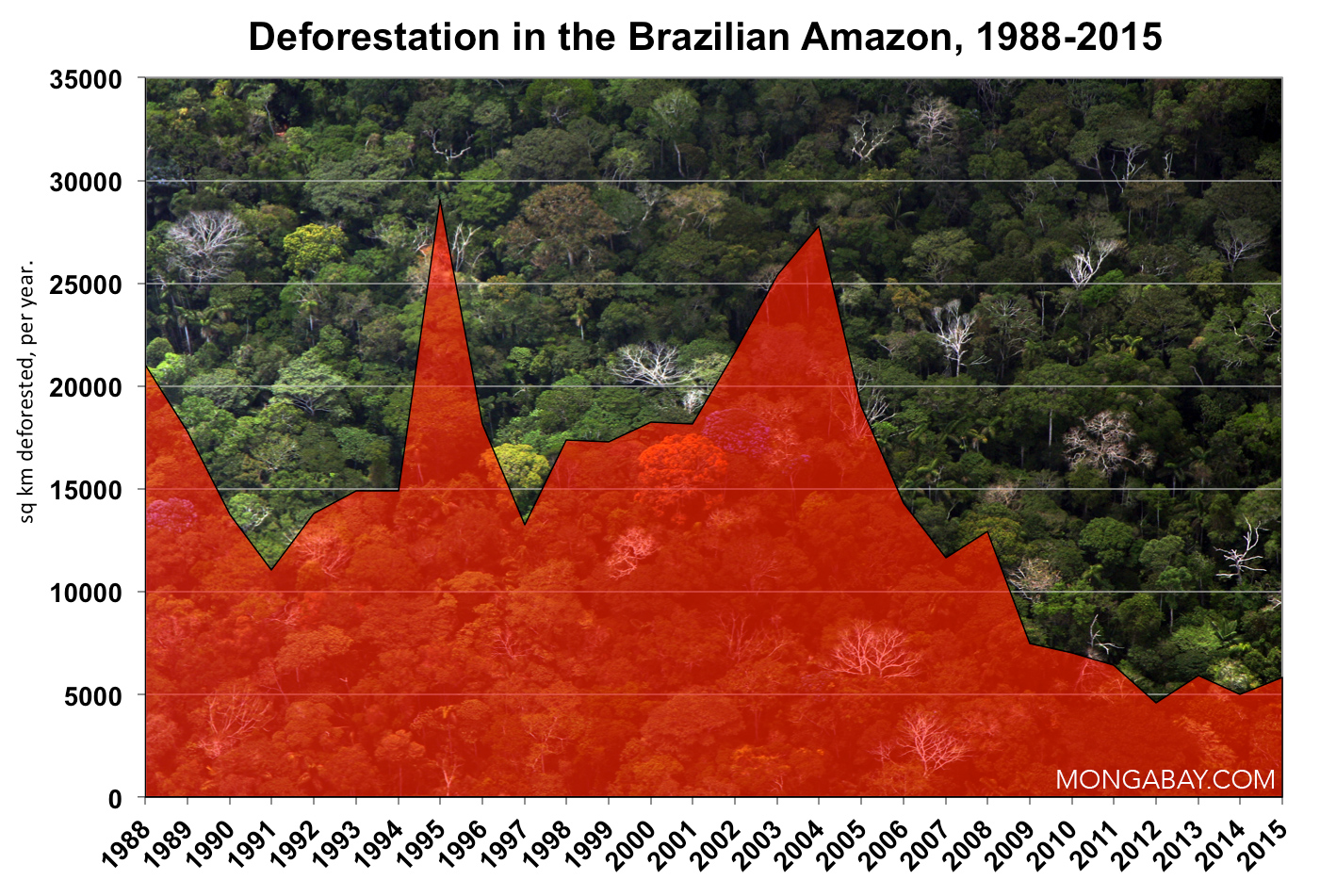
Many news outlets have said the 74,000 fires Brazil has seen this year sets a record, but that’s based on statistics that only date back to 2013. And deforestation is actually down from its peak in the 1980s. The real, undisputable news here is that there’s been a spike in fires and deforestation under Bolsonaro. And given the Amazon rainforest’s important role in capturing carbon emissions, the stakes seem much higher.

Christian Poirier, a program director for the nonprofit Amazon Watch, said that farmers were clearly emboldened by Bolsonaro to burn forests. “The fires currently ravaging the Amazon are directly related to President Bolsonaro’s anti-environmental rhetoric, in which he errantly frames forests and forest protections as impediments to Brazil’s economic growth. Farmers and ranchers understand the president’s message as a license to commit arson with wanton impunity, in order to aggressively expand their operations into the rainforest.”

Bolsonaro isn’t exactly taking credit, saying he had a “feeling” that the fires were set by nonprofit environmental groups trying to make his government look bad.

There’s been a huge growth in Brazil’s farms, especially after President Donald Trump’s trade war sent China — the top buyer of U.S. soybeans — shopping in South America. But the farm boom won’t improve the lives of poor Brazilians if it depends on dismantling environmental protections, said Toby Gardner, the director of nonprofit Trase. He sees Brazil trending toward “apparent disregard for devastating effects of environmental degradation seen from the recent and unprecedented spate of wildfires, set by landowners to clear forest for agriculture,” he said in an email.

Brazil’s massive forests are a critical part of the Earth’s life support system. The Amazon holds some 17 percent of the world’s plant-based carbon, and fires release that greenhouse gas. It’s home to millions of unique species and people. Fires are also burning in Brazil’s Cerrado — the central savanna — and its other forests.

“We think this Day of Fire really captures the craziness of what is going on in Brazil — deforestation for the sake of it, as an act of political demonstration,” said Alex Armstrong of the environmental group Mighty Earth in an email. Mighty Earth and other organizations think big corporations can prevent deforestation by promising not to buy crops from Brazilian farmers who burn forests. Some corporations, such as the grain-trading giant Cargill, say they need a supportive government in Brazil before they can act.

It’s worth noting that Grist could not independently confirm that farmers have set fires as a demonstration: Every story and source interviewed about the Day of Fire pointed to the same article based on an interview with an anonymous source. But the space agency observed a spate of fires in the region where farmers reportedly planned their protest. And a government prosecutor has opened an investigation into the reported Day of Fire.

Source article – 

Are farmers setting the Amazon ablaze in support of Bolsonaro?

Posted in Accent, alo, FF, G & F, GE, LG, ONA, Uncategorized | Tagged , , , , , , , , | Comments Off on Are farmers setting the Amazon ablaze in support of Bolsonaro?

How to Negotiate With a Contractor for Green Building Projects

Share this idea!

Pin0
Facebook0

0shares

If you’re planning a green renovation or remodeling project, you now have more green-friendly products and contractors available than ever before.

Although there are many important details to consider, finding the right contractor for completing the project is essential. Contractors with experience in making energy efficiency upgrades, using natural and local materials, and conserving resources will bring a lot to the table. Ideally, they will add synergy to your green home project and to make it a reality. Here are some tips for negotiating with contractors for green home projects.

Dream Green From the Start

To achieve the best results, we recommend you keep green features in mind from the project’s beginning, not merely as an afterthought. Look for contractors with an established track record of building using sustainable and recyclable materials, deep awareness of the insulation and natural lighting opportunities when remodeling, and the customer roster to prove they deliver. When you need to hire an architect or other design professionals for your project, make sure they are aware of your green project goals and that they are experienced.

If you are building an addition to your home, for example, strategically placing windows and doors can help save energy. If this isn’t planned early on, it can drive up project costs and create delays. During your walk-through with the contractor, listen to whether they make these suggestions or have to be asked. Make clear from the start you want a healthy and environmentally friendly outcome.

Do Your Homework

Although many experienced contractors will have ideas and suggestions, it is also helpful to conceptualize your project before meeting with them. Conduct research about the type of project and the materials, such as doors, window frames, or appliances involved before even the first planning session. This will help you bring specific goals to the table for the first meeting, making it more productive.

Take the time to meet several contractors, no matter how good the first one appears. Asking three contractors about the same project will produce three different approaches that may bring important issues to the surface. With those meetings behind you, pick the contractor with the best reputation who provides the most complete estimate and covers all, or at least most, of the concerns raised by the other contractors.

Consider the Long-Term Costs

Keep in mind that the upfront cost may be greater for green projects but will often save you money over time. For example, if you add insulation to the attic when finishing it out, it can reduce your heating and cooling costs for decades. Metal roofs cost more than their asphalt counterparts but are far more durable.

Consider both the project cost and potential cost savings to understand the big picture financially.

Find a Contractor With Green Renovation Experience

There are now many builders, electricians, carpenters, and even plumbers with vast knowledge and experience in completing green projects. Find a building professional with experience in the given type of project.

For example, if you want to add a graywater system to your home, find a plumber who has done this work before. Look at examples or at least photos of their work; speak with past clients and read online reviews to learn about their experience. Make sure they are licensed and insured to complete the work and that they will take care of any needed permits. There are several national certification programs that can be helpful in your search:

National Association of Home Builders (NAHB): — Certified Green Professional (CGP)
Leadership in Energy and Environmental Design (LEED) — LEED Accredited Professional
Green Advantage (GA) — Green Advantage Certified Practitioner (GACP)

Always Get Multiple Bids

It is typically recommended to get at least three bids for your project. It is hard to know if you are getting a fair price without shopping around. Some contractors will take different approaches to the same project, resulting in a different finished product.

The initial meeting is a great opportunity to pick their brains and get ideas. If your preferred contractor has a higher bid than others, you can ask him or her to match the price of a lower bid. Your goal is to get the best result for you, the planet, and your wallet.

Flesh Out the Details

The details can be extremely important, especially for green products.

Ask the contractor to specify what materials they will use. Whenever possible, use formaldehyde-free and recycled materials, locally and sustainably harvested wood products, nontoxic insulation, and low or no VOC finishes and adhesives. Buying these products yourself is a possible way to cut costs and ensure they have the green features you want.

Also, find out if the contractor will subcontract out some of the work. If so, research the reputation of the subcontractors as well. It’s the person doing the work who has to live up the the environmental expectations you set.

Have a Clear Contract

Make sure that the contract specifies all the important details, starting with a clear project description. Hold your contractor to their estimate, requiring they ask you before over-spending on materials or labor. The final cost of your project is your responsibility to manage and the contractor’s business to increase as much as you will allow.

Here are a few of the common questions to answer in the contract:

Who will purchase the materials and apply for needed permits?
What products will be used?
How long will it take the complete the project and is there a penalty if the project goes past the deadline?
What is the payment schedule and terms?
Is there a warranty on the work and for how long?

Make sure you get any promises the contractor makes in writing and don’t just rely on just a firm handshake. Keep your estimates, contract, and any receipts provided together both for your security and to share with a future home buyer.


You Might Also Like…

Infographic: Anatomy of a Green Home

Have you ever found yourself spending way more on a …Earth911July 29, 2019

6 Things to Consider Before Replacing Windows
Windows provide light, warmth, ventilation, and views of the outdoors. …Sarah LozanovaApril 2, 2019

7 Things to Consider for an Eco-Friendly Bathroom Remodel
When you’re remodeling any part of your home, most of …Shruti AgrawalDecember 20, 2016

earth911

Source – 

How to Negotiate With a Contractor for Green Building Projects

Posted in alo, ALPHA, eco-friendly, FF, G & F, GE, LG, Mop, Natural Light, ONA, organic, Oster, PUR, Radius, Uncategorized | Tagged , , , , , , , , , , , | Comments Off on How to Negotiate With a Contractor for Green Building Projects

Why FEMA isn’t prepared for the next major U.S. disaster

According to every climate prediction model, our rapidly warming world is slated to experience more frequent and severe weather-related disasters. But according to a new investigation from E&E News, the Federal Emergency Management Agency is woefully unprepared for future catastrophes after misspending billions of dollars and countless hours of staff time on relatively minor disaster recovery efforts.

FEMA workers are an important resource for states in the wake of a disaster. They do everything from rescuing survivors to coordinating recovery efforts to providing emergency food and shelter. But they’re not for every occasion: The agency is only supposed to step in and supplement recovery efforts only when a disaster exceeds a state’s ability to cope. But according to the E&E article, FEMA tied up many of its key staffers’ time by responding to small-scale disasters such as undersized floods, storms and other events that states had the ability to bankroll themselves.

The total cost of that unnecessary aid? $3 billion.

For example, after July floods hit West Virginia — a state that was amassing over a billion dollars in budget surplus — FEMA not only staffed centers for residents to get emergency aid but provided 469 grants while the centers were open. And in 2017, FEMA responded to storms in Oklahoma that amounted to about $5 million in damage, while the state had over $450 million budget surplus.

FEMA helping out states hit by minor incidents may not sound like a terrible thing, but as a result of the misspending, E&E found that the agency failed to properly respond to the needs of communities hard-hit by major disasters, including Hurricane Maria. When Maria pummeled Puerto Rico two years ago FEMA was really not prepared. The U.S. territory’s disaster assistance progressed at a glacial pace, with the island not getting its first recovery center until Oct. 21, 2017 — a month after the hurricane, according to E&E News.

“FEMA is dying a death by 1,000 cuts,” Brock Long, former FEMA administrator, told E&E News. Long says that prior to Harvey, the agency already didn’t have enough emergency response staff to deploy. “We were out in the field staffing too many small to medium disasters.”

Making matters worse, when Governors (often) overestimate the costs of their states’ disaster recovery and get more FEMA funds than they need, there are no consequences.

The good news (and I use the word “good” loosely) is FEMA knows it has a problem. Last year, FEMA acknowledged that its disaster workforce “is historically over-committed to smaller disasters,” ultimately shrinking the agency’s capacity to prepare and respond to catastrophes.

In an effort to tackle this, FEMA administrators said they wanted to function as more of a block-grant agency, meaning it would be forced to prioritize disaster responses within a fixed budget. The agency also announced that rather than deploy its own staff for all disasters, it would reimburse states for minor disaster recovery — meaning states would need to buff up their own emergency response teams rather than relying on the federal agency to spearhead efforts.

But according to E&E, that policy has largely failed. FEMA is now facing a major staffing shortage at a time when the hurricane and wildfire seasons are about to hit their peaks. The agency currently has about 3,600 available emergency workers compared to about 6,000 at the same time two years ago — just before Hurricane Harvey hit. According to E&E, nearly three-quarters of the agency’s disaster workforce is currently tied up — meaning they are either assigned other disasters or on vacation.

“I cannot continue to send staff out to do every disaster for $2 million,” said former FEMA administrator Long during Senate Hearings last year. “The nation needs me to be ready to go for the Marias and the Harveys and Irmas.”

Originally posted here:  

Why FEMA isn’t prepared for the next major U.S. disaster

Posted in Accent, alo, Casio, FF, G & F, GE, LG, ONA, Ultima, Uncategorized | Tagged , , , , , , , , , , , | Comments Off on Why FEMA isn’t prepared for the next major U.S. disaster

Green Preschools: An Early Start for Sustainable Living

Share this idea!

Pin0
Facebook0

0shares

Young children’s minds are like sponges. They absorb just about everything — good and bad. Often, they pick up on things around them that we adults don’t even notice. Input from the world around them shapes young children’s lives, who they become as adults, and how they live.

Teaching a Healthy Lifestyle & Embracing Nature

That concept is reflected in Dawn Maxwell’s goal to run a preschool “… focused on living a healthy life, embracing nature and letting kids have fun.” Maxwell, a mother of four, said, “I just thought it would work. Their minds are so observant.” The Green House in Oklahoma City uses all-natural cleaners, rags instead of paper towels, eco-friendly toys, and serves only vegan, organic, gluten-free food. Whatever food is left over is recycled or composted. Dawn also teaches her students — who range in age from 3 to 6 — how to garden.

David Centola, whose daughter Clara attended The Green House, said he chose the school after exploring several other options. Ultimately, Centola picked The Green House because of its focus on teaching children about the environment. (Editor’s note, August 2019: It appears that The Green House preschool in Oklahoma City is no longer in business, but the nature-based preschool movement continues to grow.)

Growth of Nature-Based Preschools

Maxwell isn’t the only educator who believes in the benefits of learning sustainable lifestyle habits early. According to the North American Association for Environmental Education’s Natural Start Alliance, “The first nature-based preschool in the United States opened in 1966.” By 2012, there were more than 150 nature-based preschools across the country.

Some schools are taking basic steps towards a more environmentally friendly approach, while others have their entire curriculum based around nature. For example, Sunflower Preschool in Boulder, Colorado, teaches children about recycling, composting, and gardening. The outdoor curriculum at the school “honors the natural environment” and the staff encourages “a sense of wonder in the natural world” as well as active play and a child-directed classroom to stimulate development.

Do Parents Find the Difference Worth the Expense?

Peter J. Pizzolongo, a representative for the National Association for the Education of Young Children, says that the driving force behind the trend of nature-based education is the parents. “If it is something that families value, then they’re going to seek that out. … Largely, the movement within the school is recycling, reuse and alternate use, and cutting back on a lot of using of plastics and things that are thrown away.”

With the change in focus comes a slight change in price among most of the nature-based preschools. But, for the parents who are passionate about the nature-focused practices of these preschools, the difference is worth the cost.

It is never too early to start cultivating good habits and practices in children, especially since they will someday be the stewards of the planet. Teaching them how to take care of it now will eventually lead to a cleaner, greener planet.

Editor’s note: Originally published on September 16, 2014, this article was updated in August 2019.


You Might Also Like…

Green Earth Book Awards Celebrate Best Environmentalist Children’s Books

The Green Earth Book Awards by Nature Generation are intended …Gemma AlexanderMay 24, 2019

The Importance of Kids Being in Nature
Once upon a time, kids of any age returning from …Alison LuedersMay 21, 2019

Raising Kids Who Take Action: Value of Teamwork Skills
Some kids understand the benefits of working harmoniously with others …Jenna CyprusNovember 22, 2018

earth911

Source: 

Green Preschools: An Early Start for Sustainable Living

Posted in ALPHA, eco-friendly, FF, G & F, GE, Landmark, LG, Mop, ONA, organic, PUR, Radius, Ultima, Uncategorized, wind energy | Tagged , , , , , , , | Comments Off on Green Preschools: An Early Start for Sustainable Living

Green Websites and Online Games for Kids

Share this idea!

Pin0
Facebook0

0shares

Young people are spending more and more time on devices. Kids between the ages of eight and 12 spend nearly six hours online daily on average. Although this statistic seems quite high, it is important to consider what children are doing online.

There are many educational websites and online games that teach children about nature, the climate crisis, or how to recycle. Unfortunately, some of these are not all that engaging, judging from my kid’s responses to them. Others teach about the natural world but don’t specifically teach young people about living greener lives.

Let’s explore some of the best green websites for young people.

Super Sorter

Super Sorter is an engaging game that takes children to a materials recovery facility to sort mixed recyclables. Plastic bottles, glass containers, and cardboard boxes appear on a conveyor belt where they must be sorted by one of four different technologies. Each sorter specializes in capturing different types of materials so players purchase and place the sorters strategically to have the highest recovery rate.

After watching kids play this game, it does seem to genuinely teach the concept that specific infrastructure is needed to have high recovery rates for single-stream recycling. It is ideal for late elementary age students and older.

PBS Nature Games

The PBS Kids website has a collection of nature games for elementary school-aged kids with a variety of themes. Gamers learn about ecosystems, bird species, constellations, soil health, geography, and more while playing. The object of the games is sometimes being a steward of nature or the environment, like managing renewable energy production, feeding winter birds, and creating wildlife habitat.

Much of the information is offered as a narrative during the game, which some kids might tune out. If nothing else, kids will gain exposure to certain vocabulary that could be helpful later on. These games are ideal for elementary-age children and often don’t require the ability to read.

National Geographic Kids

The National Geographic Kids website has a variety of resources that teach children about different animal species, planets, and special places. Kids can take a pledge to cut back on the use of disposable plastic, learn about amazing animals, or test their knowledge on a given topic with a quiz.

Rich graphics help keep this site interesting to kids, but aside from the videos, many activities require an ability to read. This website is ideal for late-elementary-age students and older. Most early-elementary-age children will need some help from an adult but will likely find the content interesting.

Ranger Rick

Ranger Rick is an interactive website that teaches children about different animals, provides instruction on craft projects, and has some jokes and games. Like National Geographic Kids, the website has excellent graphics and is well organized for young users.

Although Ranger Rick teaches children about the natural world, the website doesn’t necessarily teach children much about more sustainable lifestyle choices and conservation. One year of full access is $10. Because many activities require an ability to read, most early-elementary-age kids will need some assistance from an adult.

Have you found other educational green websites and online games that your children like? Share them with the Earth911 community in the Earthling Forum.


You Might Also Like…

Stop the Summer Reading Slide With Eco-Themed Kids’ Books

Summer is a time for playing outside and enjoying the …Gemma AlexanderMay 10, 2019

Family Movies for Earth Day and Every Day
Earth Day is great for raising awareness, but it isn’t …Gemma AlexanderApril 16, 2019

4 Clever Ways to Encourage Your Children to Recycle
As we all know, recycling is crucial when it comes …Liz GreeneAugust 15, 2017

earth911

More: 

Green Websites and Online Games for Kids

Posted in ALPHA, eco-friendly, FF, G & F, GE, LG, Mop, ONA, PUR, Radius, solar, solar panels, Uncategorized | Tagged , , , , , , , | Comments Off on Green Websites and Online Games for Kids

Cutting Down on Lawn — Alternatives to Grass

Share this idea!

Pin2
Facebook0

2shares

Lawns are green in color only, and the odds are good that you’re sick of mowing. You could save time by ignoring lawncare myths, and there are ways to reduce the water and energy you waste on your lawn, but even the most eco-friendly lawn is still a lawn.

Here are some tips for reducing the amount of the lawn in your yard even if you’re not an avid gardener.

Shrubbery

There’s a good chance that you have at least a few trees and bushes planted around the edges of your lawn. Add to the existing woody plants in your yard to create deep shrub borders. Plant native species and mulch them all the way to the drip line to reduce the need for water and protect trunks from lawnmower damage. Once established, native shrub borders can survive without supplemental water most years, and need pruning no more than once a year.

Berry Beds

Fill a raised bed that gets plenty of sun with blackberries and you’ll be rewarded with fresh fruit. Image: pixel2013, Pixabay

Raised beds create a sense of structure in the landscape that looks tidier than shrub borders. They also keep cane berries like raspberry and blackberry from spreading.

Filled with flowers or vegetables, raised beds can be just as much work as lawn. But filled with berries, all they need is sun and water and you’ll be rewarded with fresh fruit. But don’t be surprised if you get inspired to take up beekeeping to keep those harvests going.

Unmown Grasses

Ornamental grasses like this pink muhly require minimal care. Image: paulbr75, Pixabay

Lawn grass is not the only kind of grass, in fact, it is one of the least interesting or useful forms.

Ornamental grasses can be used to create sophisticated planting designs or to recreate native prairie. If you choose native species, you can free yourself from both watering and mowing, so you’ll have plenty of free time to sit back and enjoy the butterflies and other wildlife attracted to your certified wildlife habitat.

But research horticultural varieties before planting — many ornamental grasses are invasive species. If a grass doesn’t belong in your region, don’t plant it.

Ground Covers

Sempervivum, a succulent commonly known as “hens and chicks” is just one of many resilient ground covers. Image: Hans, Pixabay

There are probably areas of your lawn that don’t get very much — if any — foot traffic. For those areas, other ground covers may be more appropriate than grass, especially in shady areas. As with grasses, many ground covers can be invasive. Consider native plants like kinnikinnick or wild ginger — find out what grows in your region.

Few ground covers are as hardy as lawn grass. But clover, herbs like creeping thyme, and even moss can tolerate some foot traffic. The benefit, though, is groundcover that requires relatively little water compared to the traditional lawn.

Unplanted Areas

Although permeable pavers can reduce the amount of grass you have to deal with while still allowing rainwater to drain through the gaps, an entirely paved yard is probably too much. Gravel, on the other hand, can be a lawn substitute without making your yard look built over. Combining large areas of gravel broken up with a few drought-tolerant plants is best suited to dry climates and desert landscapes.

There’s no need to rip out your entire lawn if you don’t want to. But you can save time, energy, and water by reducing the area of your lawn. Try one or more of these strategies to chip away at the edges of your lawn. You might find yourself with a prettier yard and more time to enjoy it.


You Might Also Like…

Landscaping for Fire Resistance

Lately, it seems like every year is a bad year …Gemma AlexanderSeptember 17, 2018

Go Wild! How to Certify Your Backyard as Wildlife Habitat
Most of us take great pleasure in being good hosts. …Madeleine SomervilleMarch 7, 2017

Ecological Landscaping Works, Plus How To Do It Correctly
Landscaping can take a drab outdoor home environment and turn …Chase EzellSeptember 26, 2016

earth911

More: 

Cutting Down on Lawn — Alternatives to Grass

Posted in ALPHA, ATTRA, Citizen, eco-friendly, FF, G & F, GE, horticulture, LG, Mop, ONA, PUR, Radius, Uncategorized | Tagged , , , , , , , , , , , | Comments Off on Cutting Down on Lawn — Alternatives to Grass

Burn. Build. Repeat: Why our wildfire policy is so deadly

See the original post: 

Burn. Build. Repeat: Why our wildfire policy is so deadly

Posted in alo, FF, G & F, GE, LAI, ONA, Paradise, PUR, Uncategorized, Wiley | Tagged , , , , , , , , | Comments Off on Burn. Build. Repeat: Why our wildfire policy is so deadly